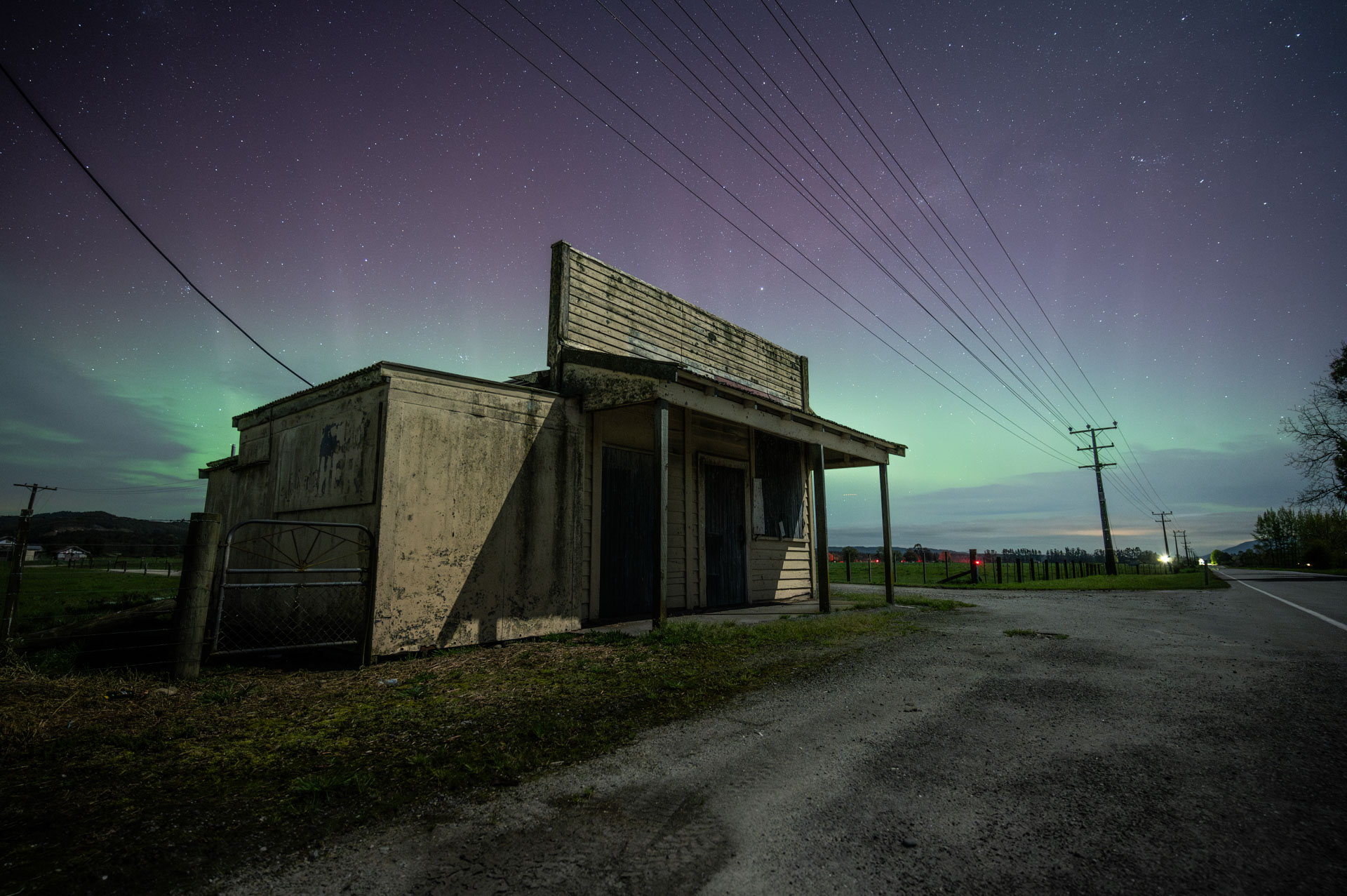
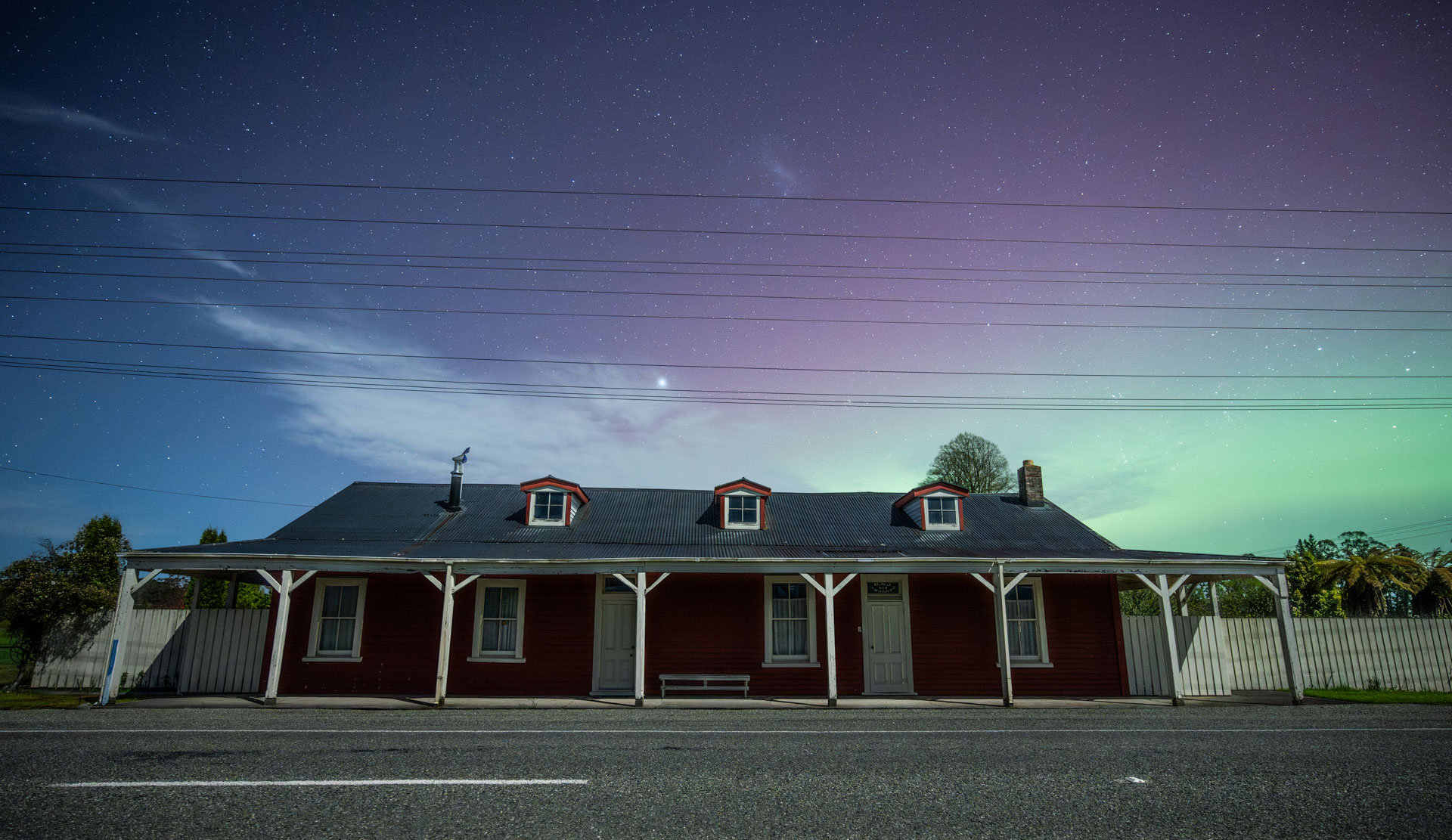
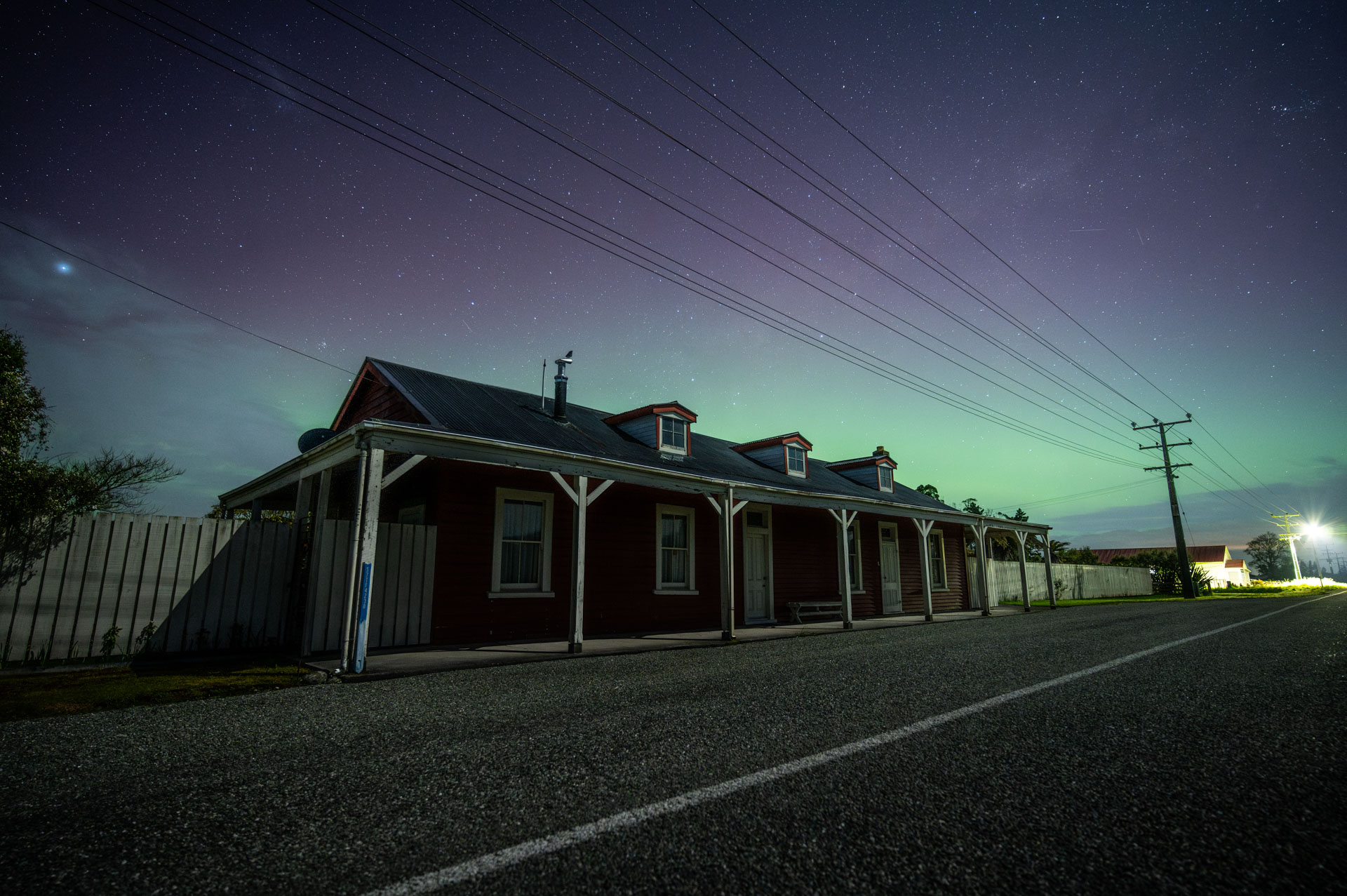
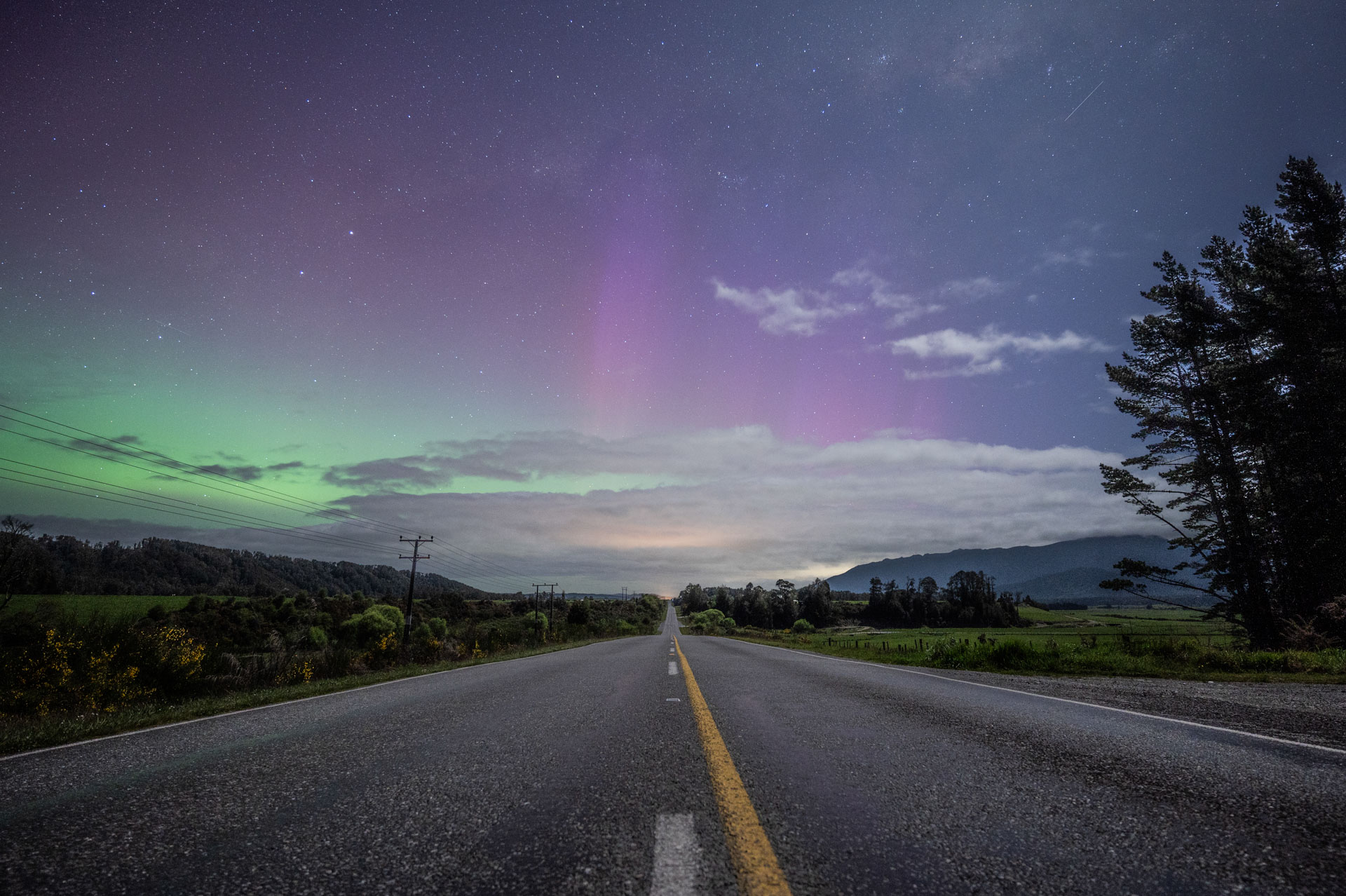
The West Coast of New Zealand sits under some of the darkest skies in the country. When the sun fires something our way, this is where Dean stands to catch it.
The obsession started the way most good West Coast adventures start. A beautiful sunset, a quick look at the phone, and a sudden reason to get moving. Dean had wanted an aurora photo for ages, but the first real chase made it feel possible. The first frame had the glow in the south and a line of Starlink cutting through it - a ridiculous bit of luck that made the whole thing feel like a sign.
Then came the lesson every aurora chaser learns the hard way: leaving too early hurts. After getting home happy with the photos, Dean saw what happened just after he left - an explosion of colour that he had missed by minutes. That disappointment changed the way he chased. He became more patient, more prepared, and far more willing to stand around in the cold if the numbers still had a pulse.
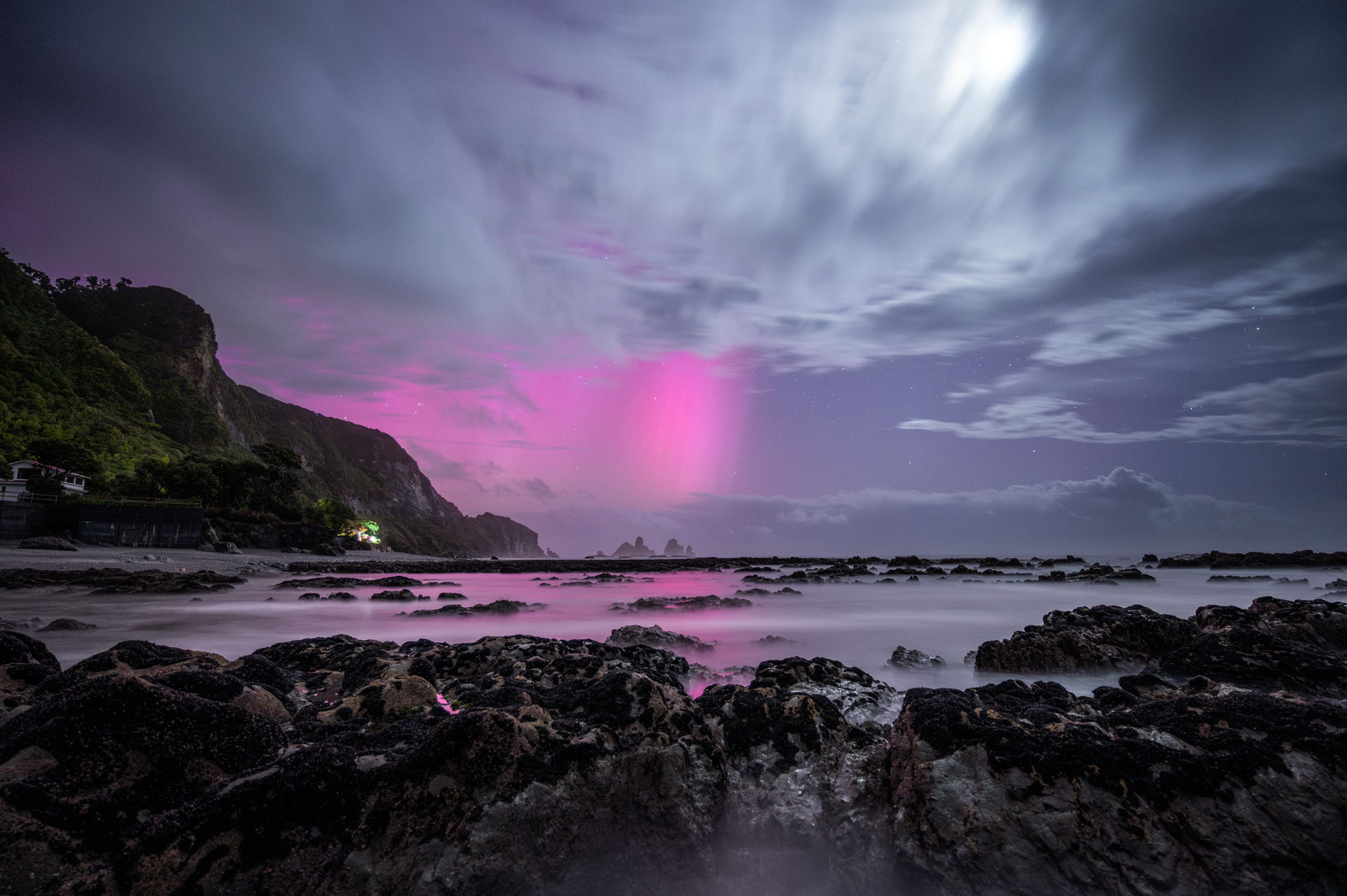
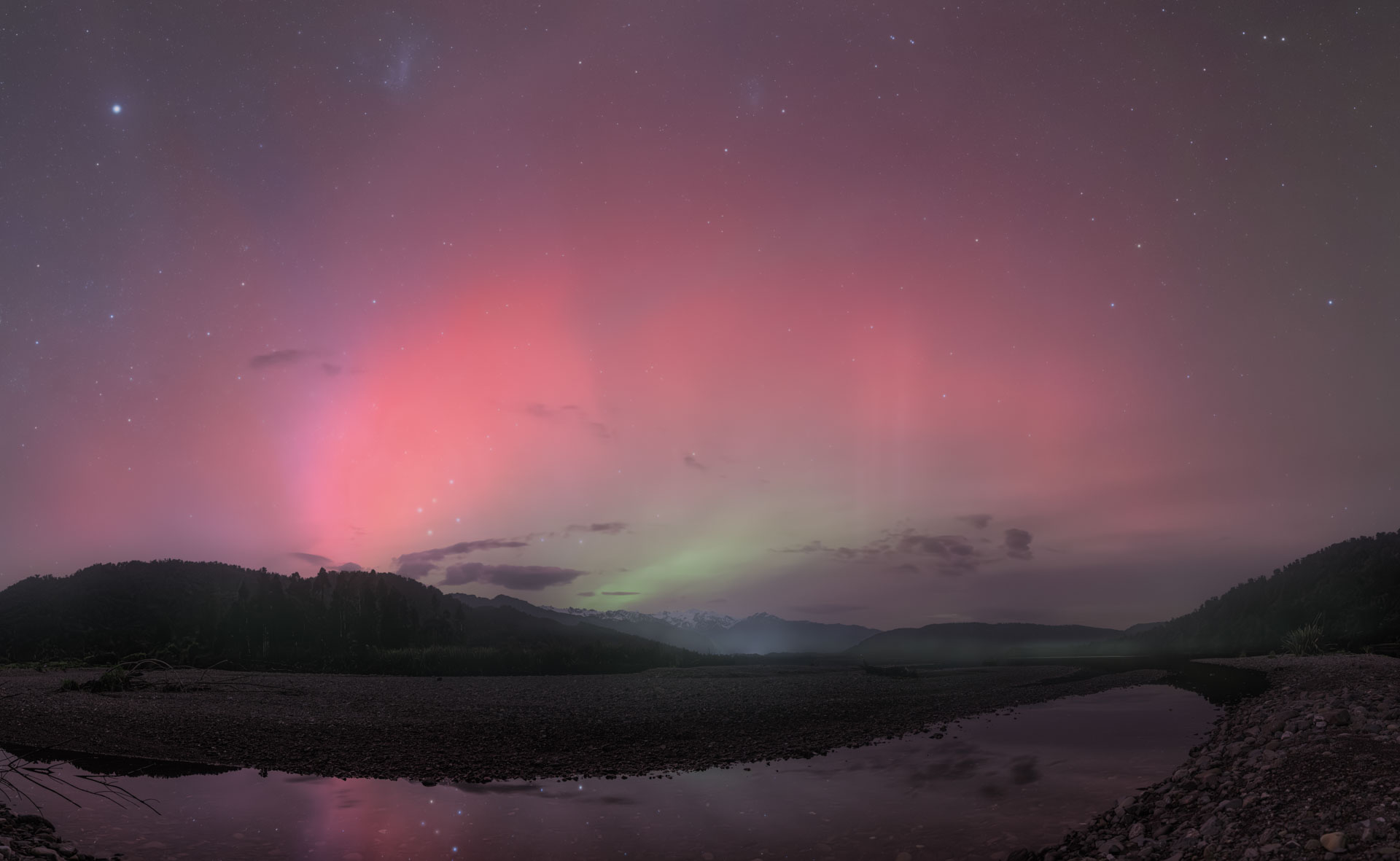
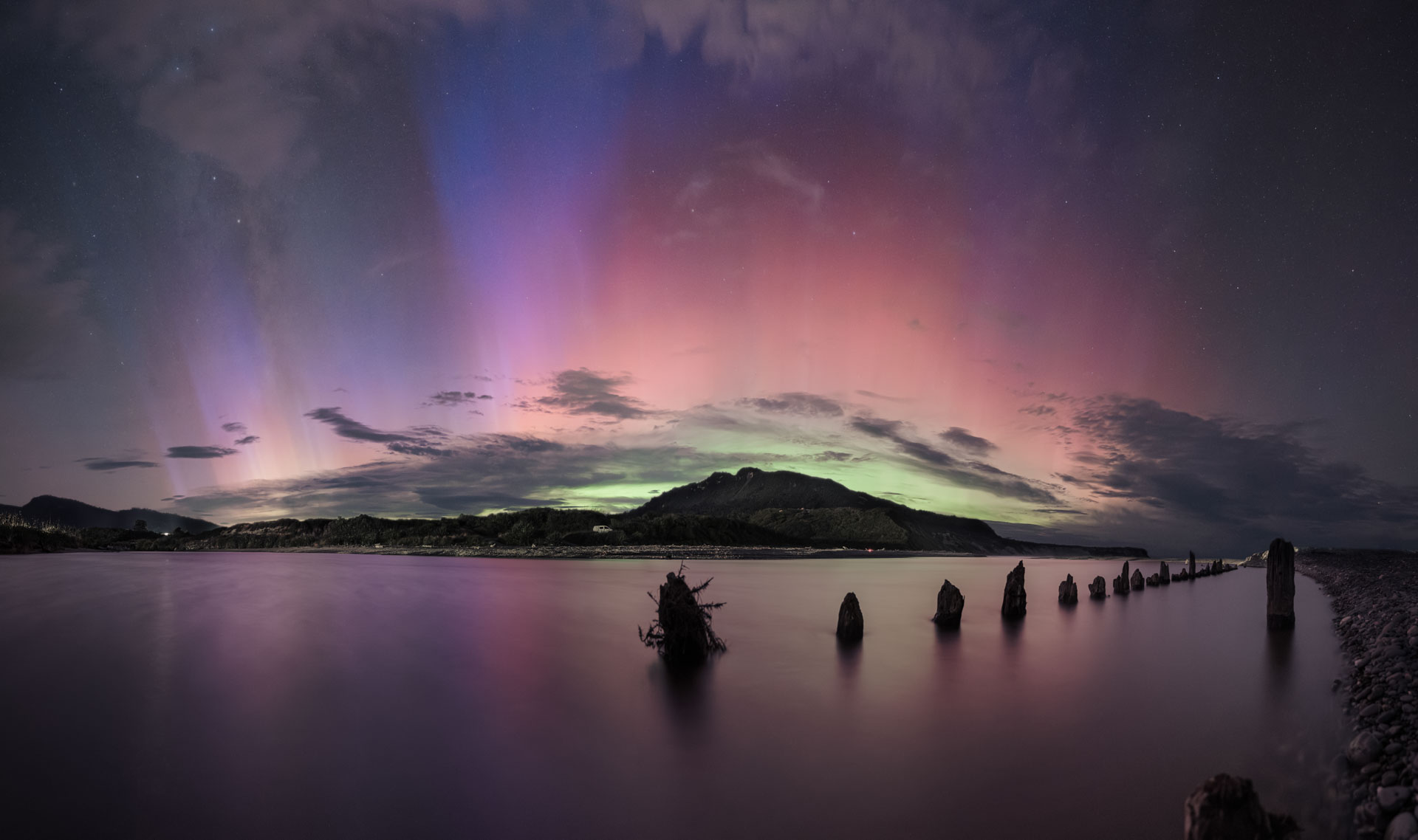
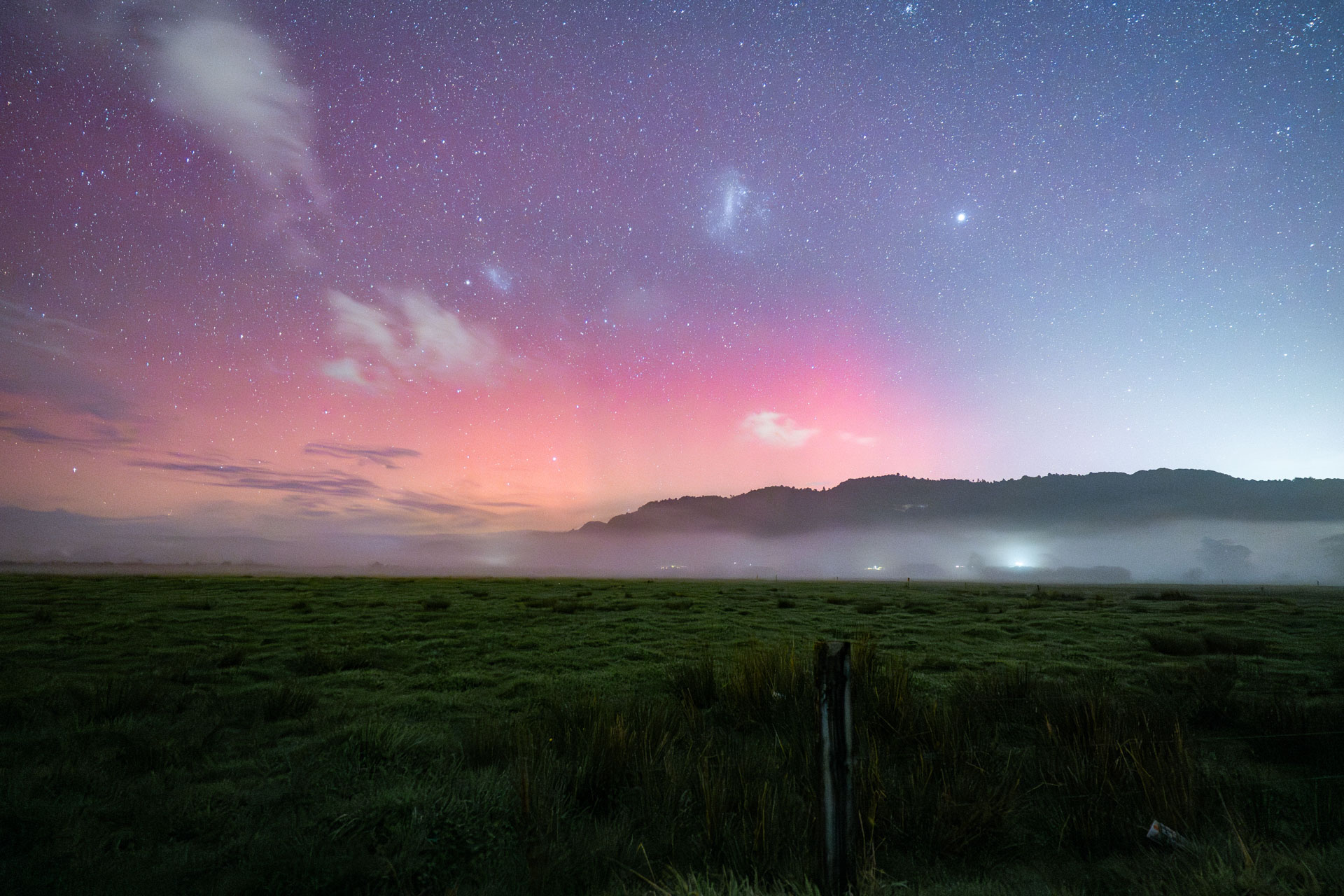
Motukiekie
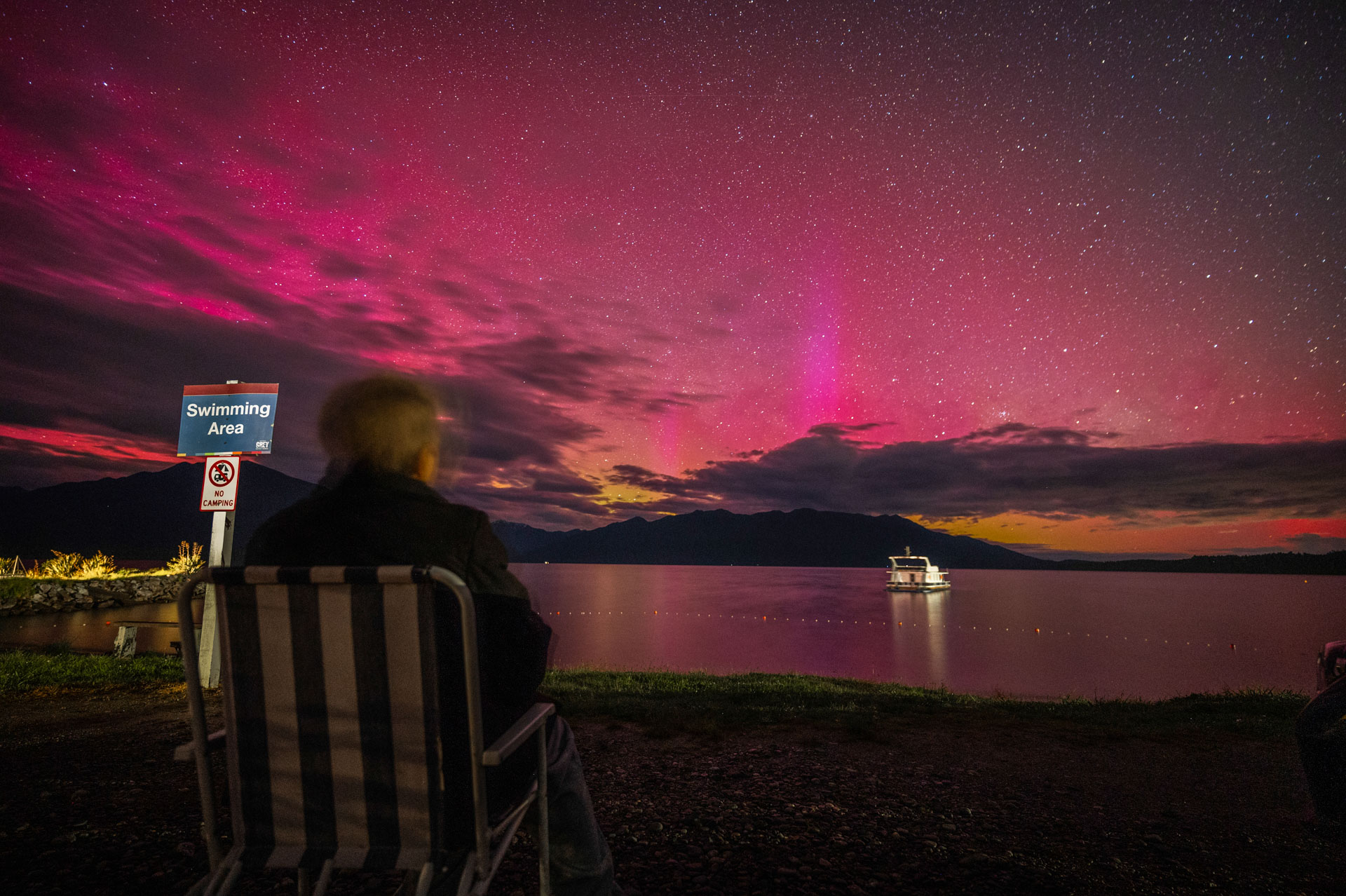
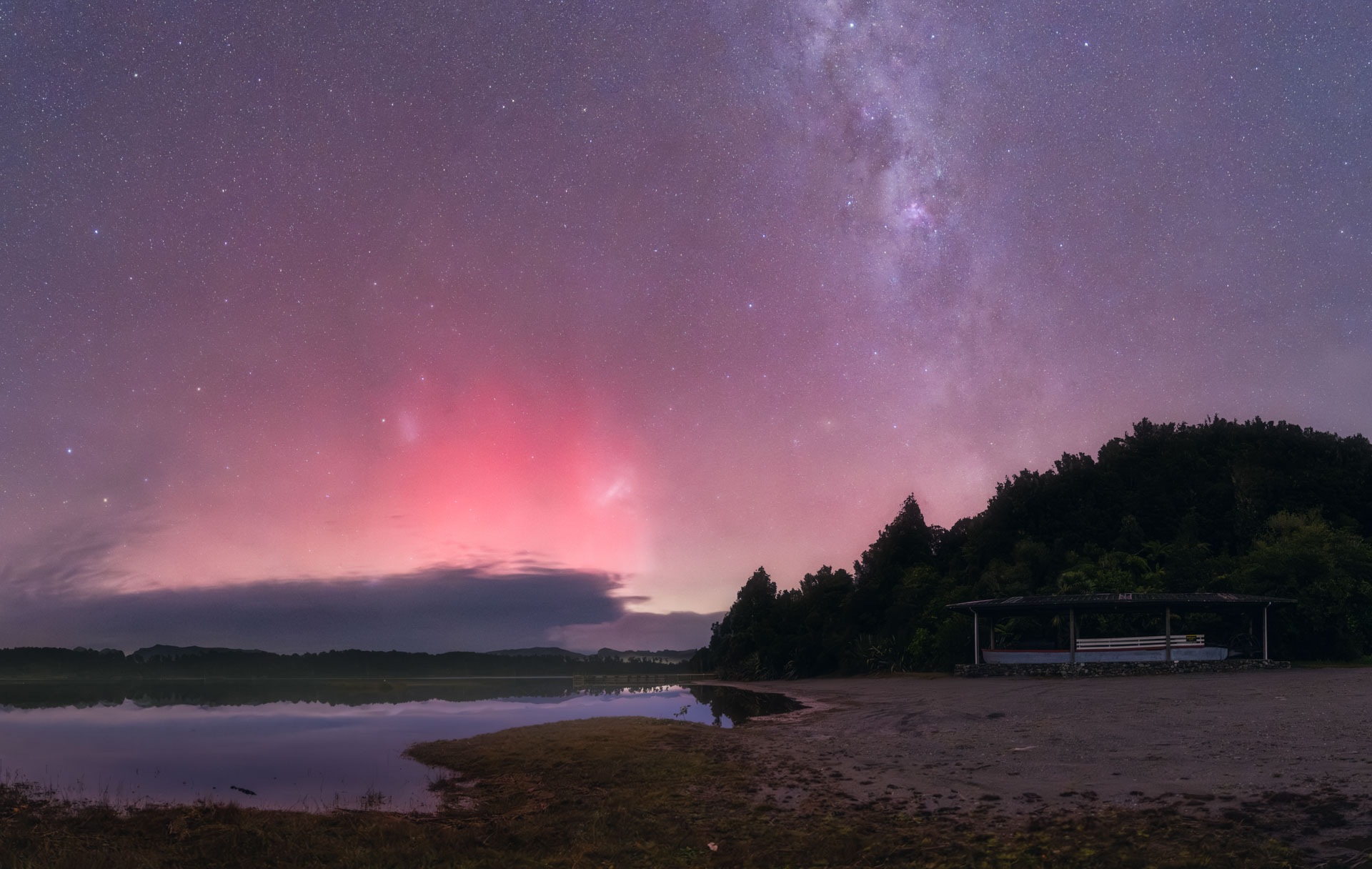
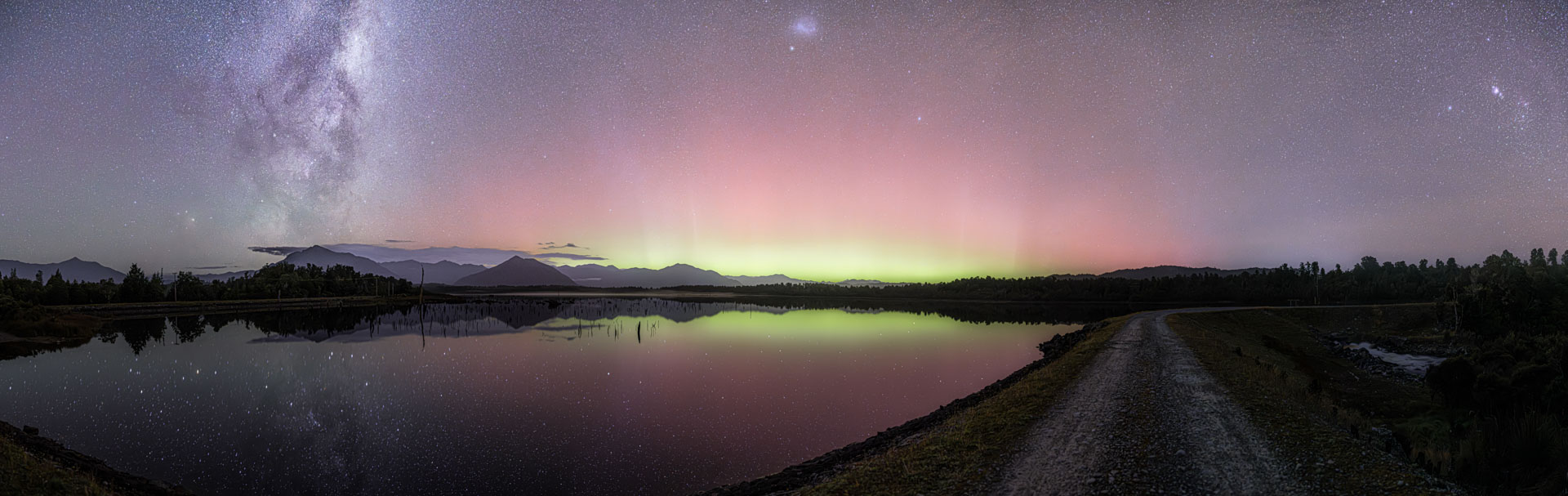
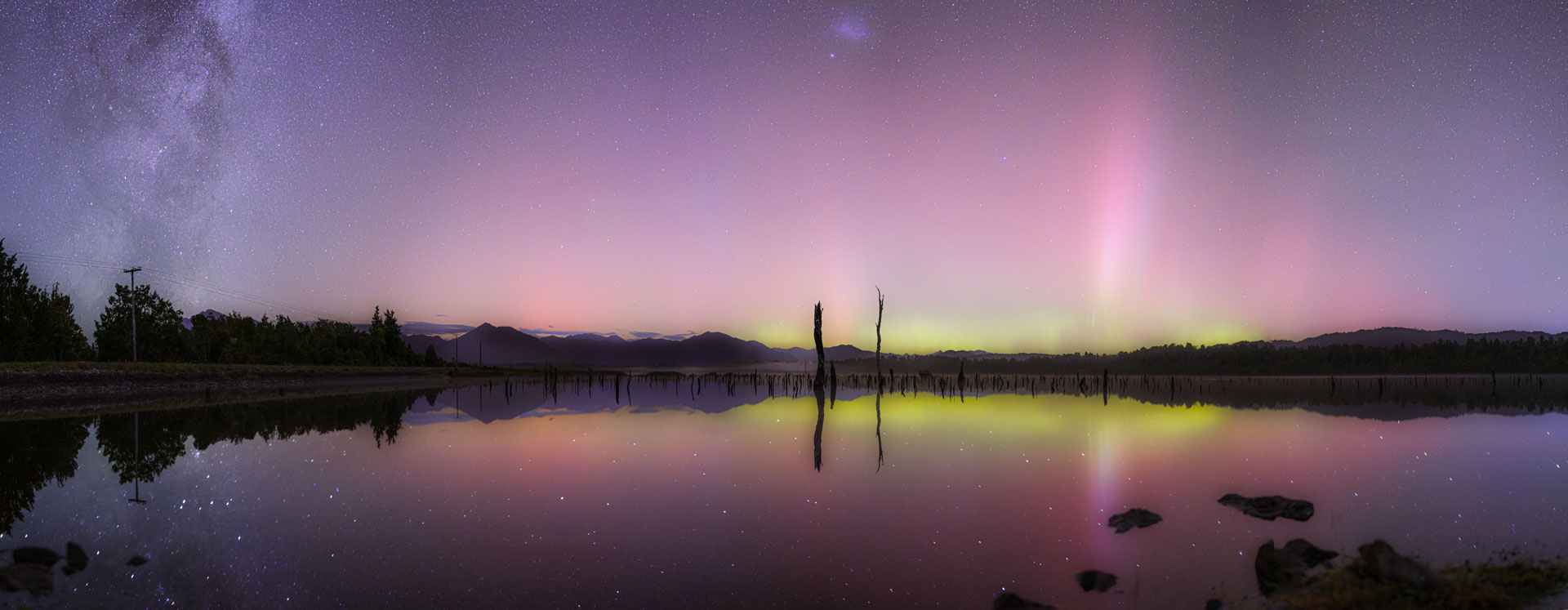
Lake Brunner
The obsession became personal when Dean started taking his grandmother out chasing. She would be rugged up and ready at the door, even with almost no notice. One night at Lake Brunner, the glow and beams were strong enough that she could see them with her own eyes. Dean photographed her watching the sky and framed it for Christmas.
She passed away four days before Christmas in her 90th year. She never got to see the photo framed. Every aurora since carries a little bit of that night with it.
The southern lights opened the door to astrophotography. Aurora chasing taught Dean to read weather, moonlight, darkness, foregrounds and timing in a completely different way. That curiosity kept growing into deeper night-sky work and a 2026 astrophotography workshop with Rachel Roberts.
The West Coast has something most of New Zealand does not - genuinely dark skies over dramatic terrain. Combine that with the aurora season and you get conditions that are hard to find anywhere else.
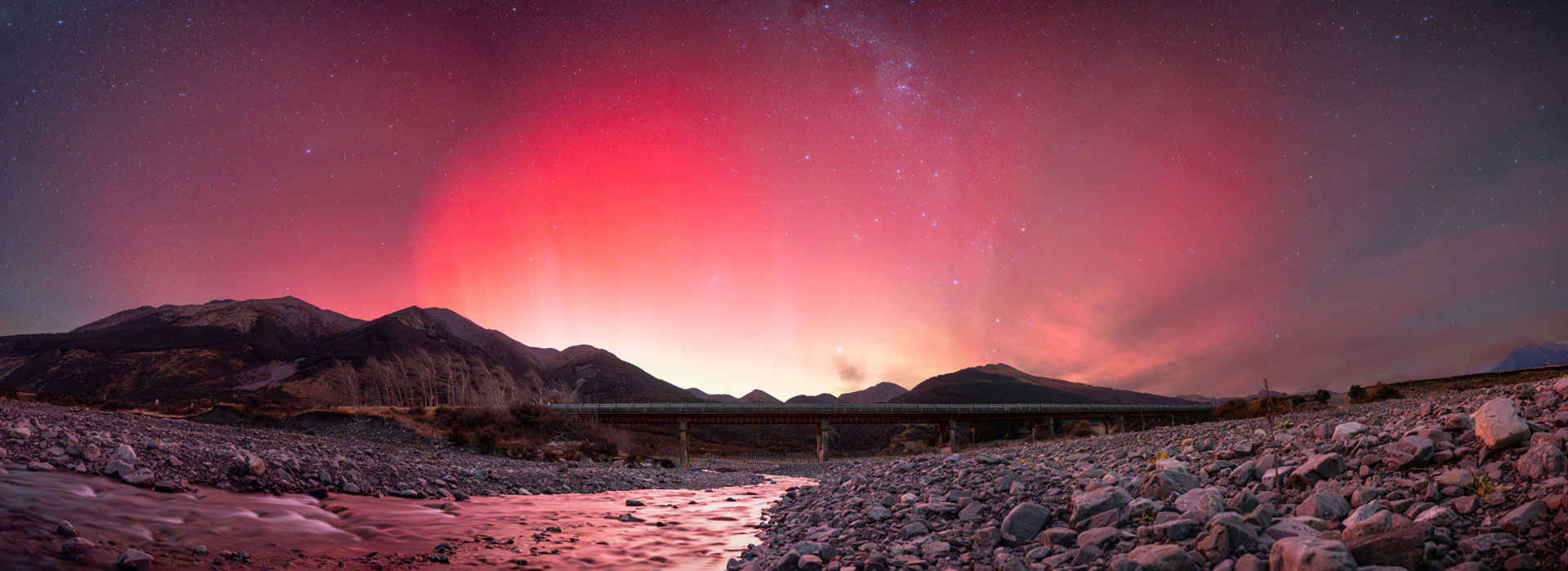
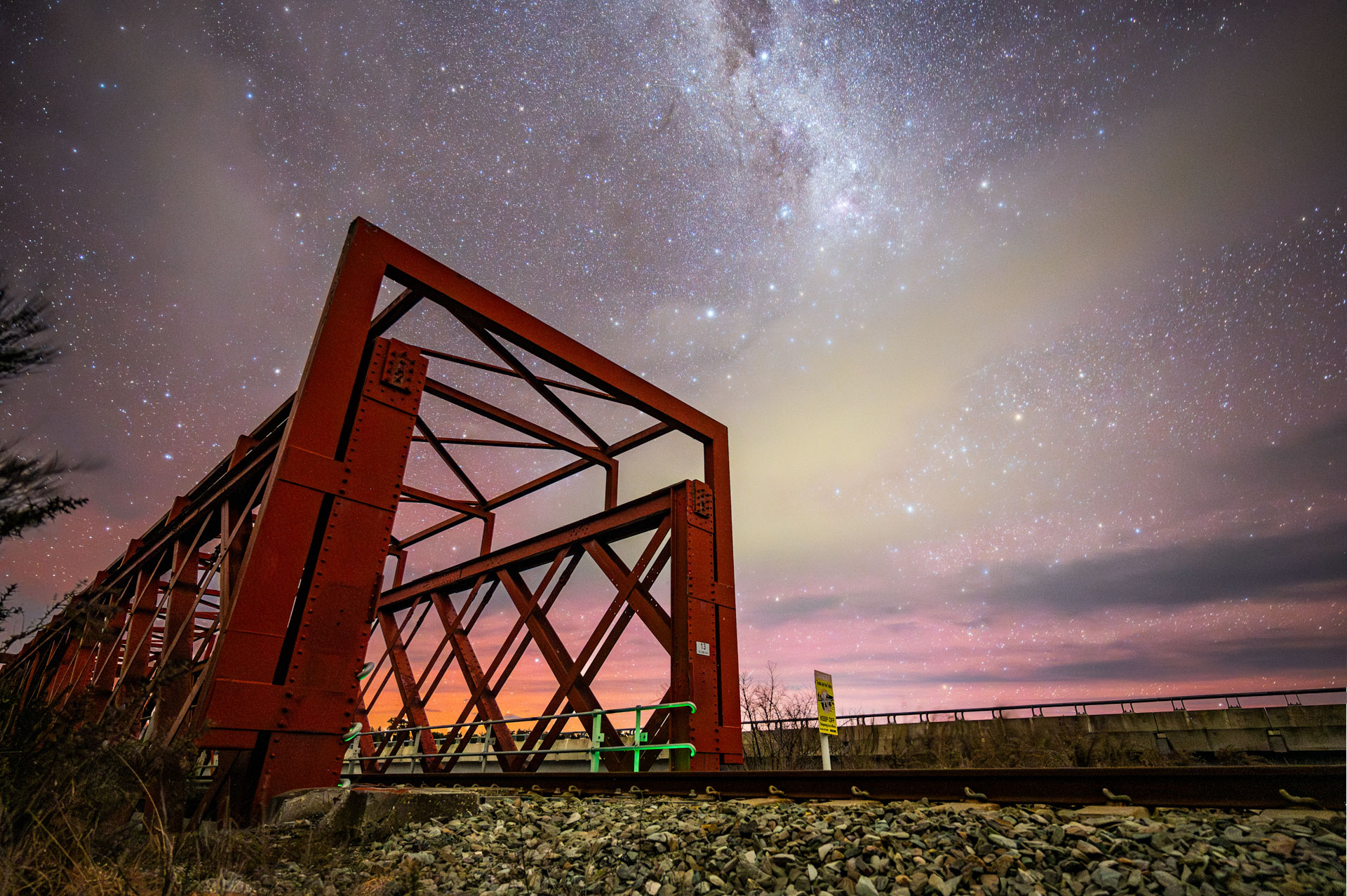
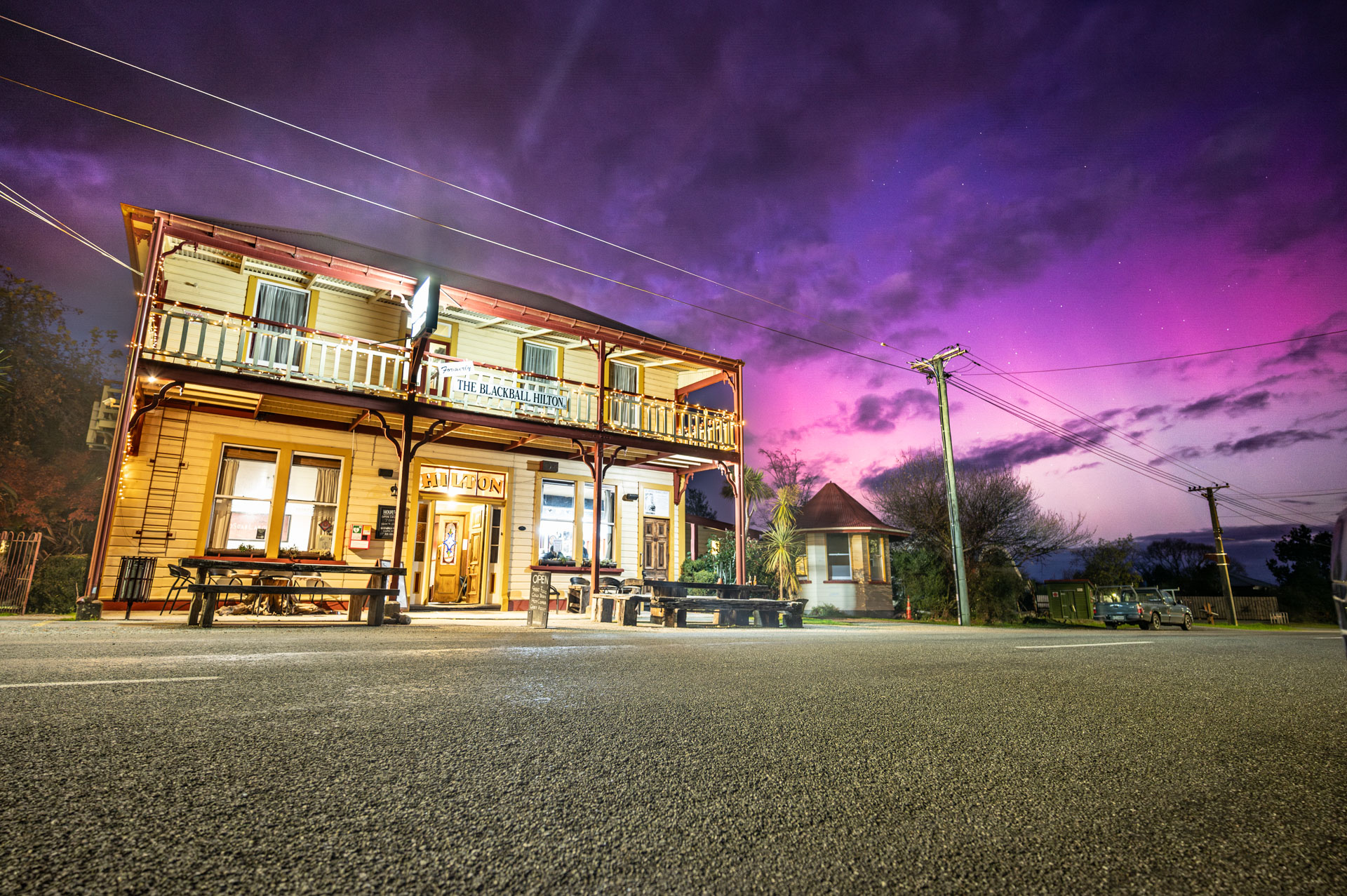
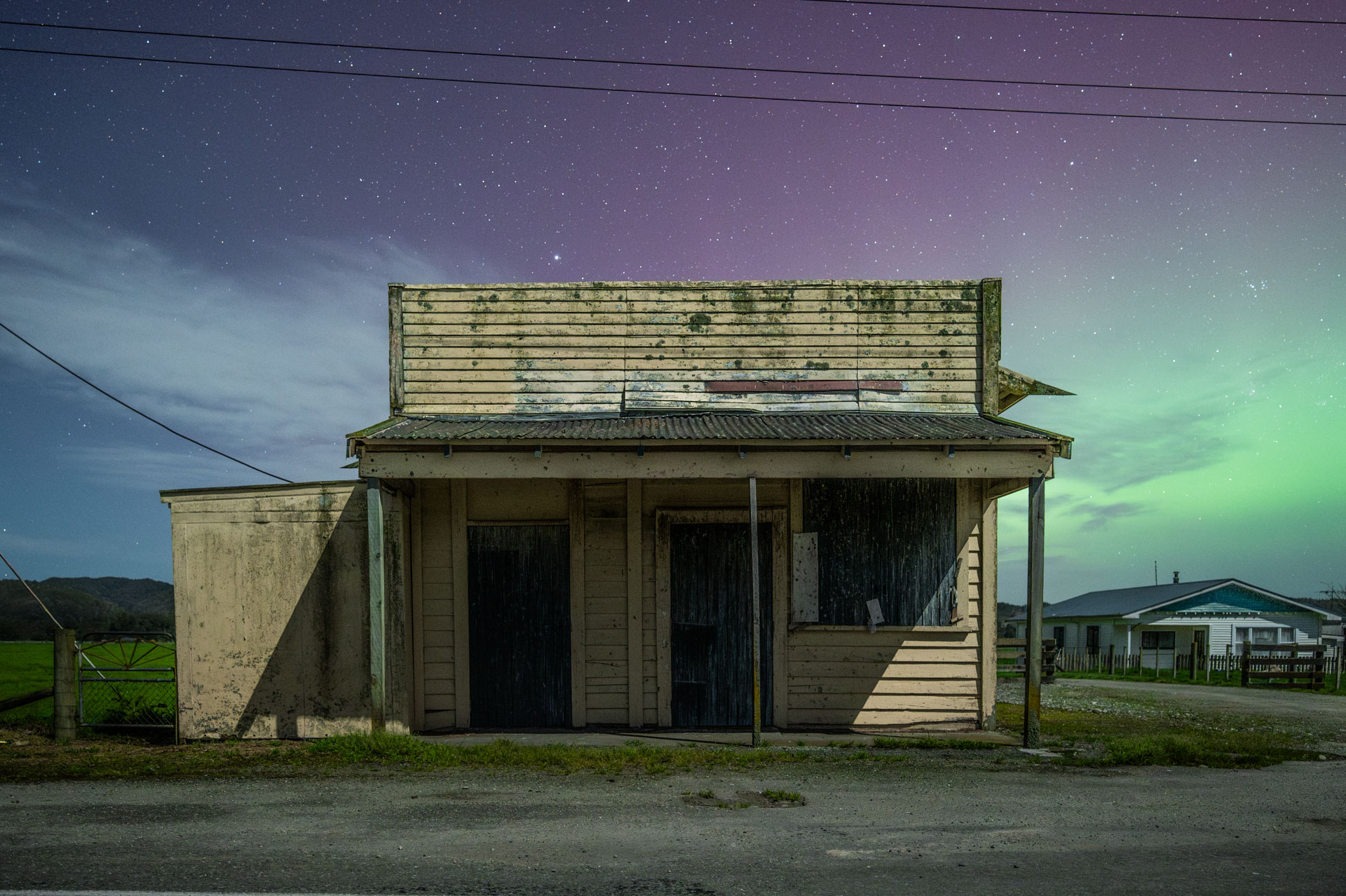
Otira
Built by Dean
Dean built Spot The Aurora to make aurora chasing easier to understand, especially for people who do not want to decode raw space-weather data at midnight. It is a comprehensive aurora companion with several world-first ideas focused on practical visibility.
Aurora chasing has also brought Dean into a generous community of people sharing knowledge, alerts, shooting tips and excitement whenever the sky starts to glow.
A live snapshot from Spot The Aurora — real-time solar-wind and substorm data turned into plain language for the next two hours over the West Coast.


If you are after aurora or astrophotography prints, want to learn how to shoot the night sky, or just want to talk about the southern lights, get in touch.